The finest water heater is either solar or electrical, so which is the best choice?
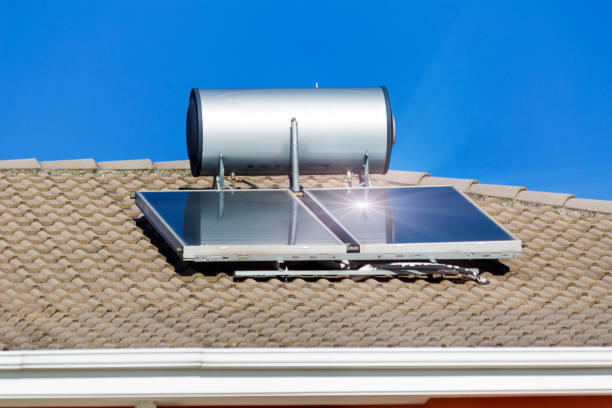
People are lured to solar energy because it can be used to heat their homes without the usage of electricity... but is this always the most cost-effective solution? We'll discover which type of water heater is better for you and your home by comparing solar water heaters with electric water heaters.
What are solar water heaters and how do they work?
A solar water heater transfers thermal energy by utilizing the sun's natural light. This thermal energy is converted into hot water, which you may use in your shower or to run other appliances in your home. This type of device does not require any electricity at all, making it an appealing option for individuals trying to cut their overall energy consumption.
What are Electric Water Heaters and How Do They Work?
Electric water heaters heat the water in your tank by utilizing electricity as a heat source. While this is also considered a sustainable alternative, it might result in increased energy bills over time, which contradicts the purpose of making the transition to solar power in the first instance. It is possible that some models will be eligible for rebates and tax credits, so make sure to look into these choices before making your final decision.
Electric water heaters
Pros:
Generally, tax credits, rebates, and other energy-efficiency incentives are available.
Having the ability to use the majority of natural resources as fuel (such as water instead of oil)
Solar systems are quieter than solar systems
.
Cons:
Initial prices are higher than those of solar water heaters.
Compared to other heating options, such as geothermal or solar thermal energy, it is less efficient (do not mention the part about electricity being used here)
Benefits over the long term:
Electric water heaters are able to pay for themselves over time because of the cheaper bills they provide on a month-to-month basis. Depending on your local utility rates, this might be anything from six months to five years in duration.
Solar water heaters
Pros:
Electric water heaters are significantly less efficient.
Emissions that are low or non-existent
It is beneficial to the environment.
It is possible to qualify for tax credits or rebates.
Cons:
Gas water heaters are typically more expensive than electric water heaters.
It is possible that gas water heaters will require more maintenance than electric water heaters.
Benefits in the Long Run:
Solar water heaters have the potential to save you a significant amount of money over time. The truth is that many solar thermal systems can pay for themselves within four years of being installed! These systems are becoming more and more efficient, and the cost of solar energy is reducing as a result.
Solar or electric water heaters may be the best option for you, depending on your need and budget.
Solar water heaters are a great option if you're searching for a system that emits little or no emissions and is environmentally friendly in general. They are also more energy efficient than electric water heaters, which can result in significant savings over time. Electric water heaters may be a more cost-effective solution if you're searching for a system that is easier to install than a gas water heater. Solar thermal systems, on the other hand, are becoming more and more affordable with each passing year, so keep an eye out for bargains!
Before making a decision about your home, it's necessary to consider your existing position. Everyone has different requirements and desires for their home. When total expenses (including installation) are taken into consideration, electric water heaters are more efficient than solar systems; nevertheless, if you're searching for the most bang for your buck, solar thermal energy is most certainly the best option for you.
It might be difficult to pick between two environmentally friendly solutions, but understanding the advantages and disadvantages of each will assist you in making an informed selection. Keep in mind that both electric and solar systems have a lifespan of up to 20 years, so don't get too caught up in short-term benefits such as rebates or tax credits!
Did You Know?
The cost of heating water alone accounts for around $1,000 in annual household expenditures in the United States.
Your annual utility savings could range from $50 to $1,000 per year, depending on your local utility costs.
Solar water heaters are more energy efficient than electric water heaters and can pay for themselves in as little as five years after installation. This is due to the fact that these systems heat your water using sustainable energy sources such as sunshine rather than electricity generated from nonrenewable resources such as petroleum. As a bonus, solar thermal systems consume less fuel than electric hot water heaters, which means they emit fewer pollutants overall, making them a more environmentally friendly choice for your household.
Thank you for taking the time to read this! Hopefully, this article has provided you with a better understanding of the differences between solar and electric water heating systems. If you have any more questions, feel free to leave a comment below or contact a local installer or local plumber for more information. There will always be a hot water service Sydney or your local area can provide.
Comments
Post a Comment